
When the Lights Go Out: What the MS Outage Means for Your Business
Today's Microsoft outage is a reminder that digital dependency has real consequences. Here's what it means for your marketing, and how we kept working through it.
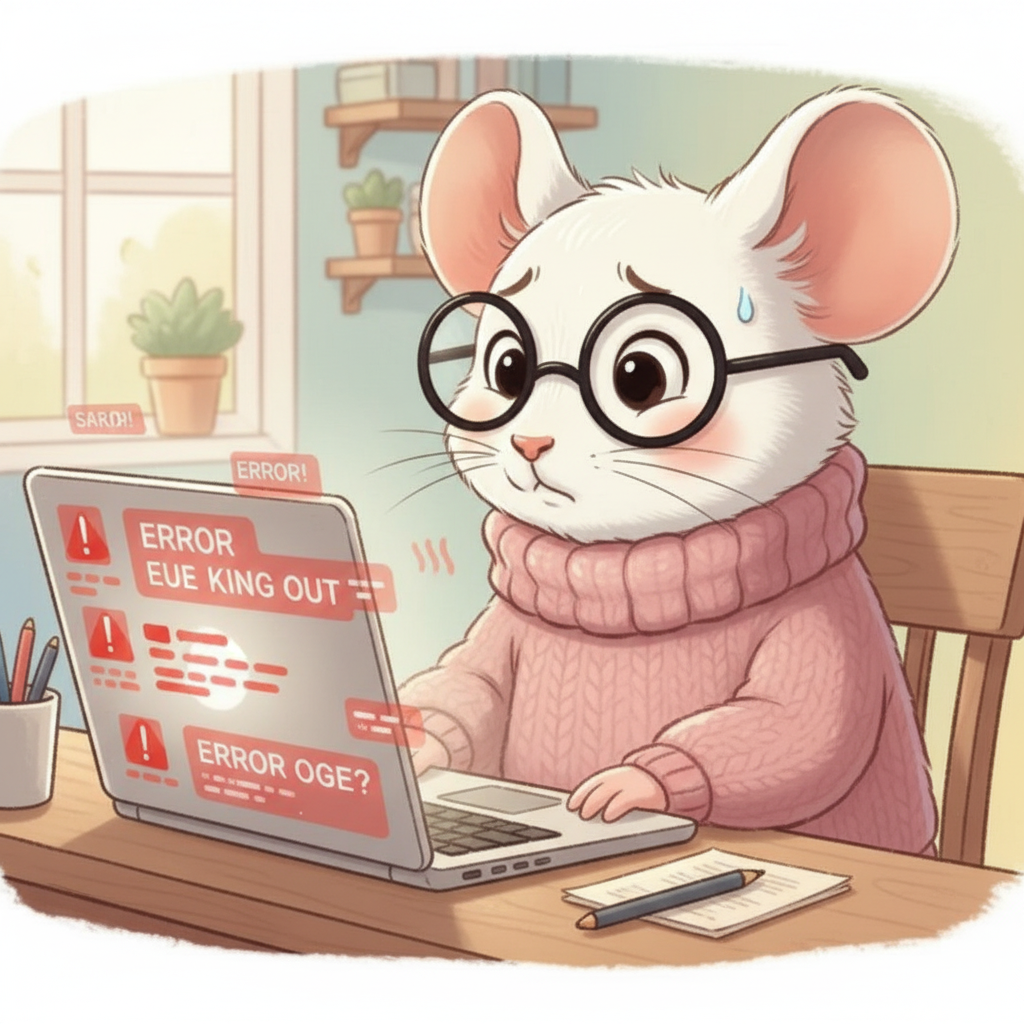
If your morning felt a little off today, you are not alone. A widespread Microsoft outage hit businesses across the globe on 13 November 2026, taking down Teams, Outlook, SharePoint, and a raft of other services that millions of organisations rely on to function. For a few hours, the digital infrastructure that most of us treat as invisible, and therefore invincible, simply stopped working.
It is easy to shrug it off once the lights come back on. But for marketers and business owners, moments like this are worth sitting with.
What Actually Happened
Microsoft's Azure platform experienced a significant service disruption affecting its cloud services and the Microsoft 365 suite. Teams calls dropped mid-meeting. Emails queued and failed to send. Scheduled social posts that relied on connected tools stalled. Customer service teams lost access to their CRM dashboards. For businesses that had moved everything into the Microsoft ecosystem, the outage was not just an inconvenience, it was a full stop.
The scale of the disruption is a direct reflection of how deeply embedded a single provider has become in the daily operations of modern business.
How We Kept Working
Here at Digital Squeak, we felt it too. Our usual morning check-ins happen over Teams, and by 8:30 AM it was clear that was not going to be an option. So we did what we always tell our clients to do: we used what we had.
Within fifteen minutes, the team had moved to Google Meet for our morning stand-up. No fuss, no lost time, just a quick link shared over WhatsApp and we were up and running. Client check-ins that would normally have gone through Outlook were rerouted through WhatsApp as well, keeping conversations flowing without missing a beat.
It was a small thing, practically speaking. But it was a useful reminder that the businesses with the least friction during an outage are the ones that have already normalised using more than one communication channel. We were not scrambling to figure out an alternative, we already had one.
The Marketing Blind Spot
Here is the part that does not get talked about enough: most marketing teams are just as exposed as their operations counterparts, and often less prepared.
Think about what a typical marketing day looks like. You are scheduling posts through a tool that authenticates via Microsoft. Your analytics dashboard is embedded in a Teams tab. Your campaign briefs live in SharePoint. Your client approvals happen over Outlook. When one thread pulls, the whole thing unravels.
The outage did not just slow things down, for some businesses, it made it impossible to communicate with customers at a moment when customers were also confused and looking for answers.
Three Things Worth Reviewing After Today
Where are your single points of failure?
Map out your marketing stack and ask honestly: if one provider goes down, what stops? If the answer is "most things", that is a risk worth addressing. It does not mean abandoning the tools you rely on, it means having a fallback for the critical ones.
A simple example: if your primary customer communication runs through Outlook, do you have a WhatsApp Business number or a Google Meet link for urgent calls? If your social scheduling tool is cloud-dependent, do you know how to post manually in a pinch?
Are your owned channels actually owned?
Social media platforms, cloud tools, and third-party apps are rented space. Your website, your email list, and your WhatsApp contacts are the closest thing to owned real estate in digital marketing. Today is a good day to ask whether you are investing enough in those.
A well-maintained website with clear contact options, a form, a WhatsApp button, a direct email, means that even when the rest of the stack is down, customers can still reach you. That is not a small thing.
Is your content backed up and accessible offline?
If your brand guidelines, campaign assets, and copy live exclusively in SharePoint or OneDrive, an outage means your team cannot work. Consider keeping a local or alternative-cloud copy of your most critical assets. It takes ten minutes to set up and can save hours of lost productivity.
The Bigger Picture
Outages like today's are not a reason to panic or to abandon cloud tools, they are genuinely useful, and the convenience they offer is real. But they are a useful reminder that resilience is a marketing strategy, not just an IT concern.
The businesses that came through today's disruption with the least friction were the ones that had not put all their eggs in one basket. They had backup communication channels. They had content they could deploy without logging into a platform. They had a team that knew what to do when the usual tools were unavailable.
That kind of preparedness does not happen by accident. It is the result of thinking about your digital presence as a system, one that needs redundancy, not just efficiency.
A Small Squeak of Advice
If today's outage caught you off guard, use the next week to do one thing: identify your most critical marketing dependency and build a simple fallback for it. It does not need to be elaborate. A WhatsApp Business number. A Google Meet link pinned somewhere accessible. A downloaded copy of your brand assets. One small step towards resilience is worth more than a detailed continuity plan that never gets implemented.
Because the next outage, whether it is Microsoft, Google, Meta, or someone else entirely, is not a matter of if. It is a matter of when.
And when it happens, the businesses that keep squeaking will be the ones that planned for the quiet.
Explore Topics
Written by
Digital Squeak
Content creator and writer sharing insights and stories.